Johann Sebastian Bach (21 mars 1685 - 28 juillet 1750), en français Jean-Sébastien Bach, est un compositeur, claveciniste, violoniste et organiste allemand.
Compositeur de l'époque baroque dont il symbolise et personnifie l'apogée, il eut une influence majeure et durable dans le développement de la musique occidentale ; de grands compositeurs, tels que Mozart et Beethoven, reconnurent en lui un maître du contrepoint insurpassable.
Il fut un musicien complet qui maîtrisait la facture des instruments tout autant que la technique instrumentale, la composition comme l'improvisation, la pédagogie comme la gestion d'une institution musicale.
Localement connu de son vivant comme organiste et improvisateur, sa musique fut toutefois vite oubliée après son décès, car passée de mode ; son ?uvre, à de rares exceptions près, manuscrite et jamais publiée, dispersée et en partie perdue, fut redécouverte et étudiée par les romantiques. (Rétracter)...(Lire la suite)
"Jesu, meine Freude" ("Jesus, My Joy") is a motet composed by Johann Sebastian Bach. The work, which takes its title from the chorale by Johann Franck...
"Jesu, meine Freude" ("Jesus, My Joy") is a motet composed by Johann Sebastian Bach. The work, which takes its title from the chorale by Johann Franck on which it is based, is also known as Motet No. 3 in E minor, BWV 227. The stanzas of the chorale are interspersed with passages from the Epistle to the Romans.
Bach's organ piece, chorale prelude BWV 610, bears the same title. This work, which is earlier and shorter than the motet, is based on the same chorale melody by Johann Crüger. There are six authenticated funeral motets (BWV 225--230) written for St Thomas's Church, Leipzig, between 1723 and 1727.
To Bach's contemporaries "motet" meant a simple vocal work without independent instrumental parts (though instruments sometimes doubled the voices). Motets often began the Sunday service, and were typically sung by inexperienced singers. In a 1730 memo to the Leipzig town council, Bach mentioned boys in his school who were "motet singers, who need further training in order to be used eventually for figured music," by which he meant the more elaborate and demanding music of the cantatas. But Bach's own motets, like all his music, are quite demanding, and he likely did not use them in church services. It is not clear exactly what their purpose was. One of them is known to have been sung at a prominent person's funeral, but theories about specific occasions for his other motets, including Jesu, meine Freude, have not held up over the years.
Most 18th-century Lutheran church music is based on hymns, called "chorales," that dated from the previous two centuries and were familiar to everyone. In Jesu, meine Freude, the odd-numbered movements are settings of verses of Johann Franck's 1653 chorale of the same name, while the even-numbered movements set excerpts of Paul's Epistle to the Romans. The eleven movements have an overarching symmetry, much of it not apparent, or important, to the listener, though it's worth noting that the first and last movements are identical harmonizations of the chorale, the second and tenth movements work with the same musical material, the central sixth movement is an elaborate fugue, and Bach reduces the texture to three voices in the fourth and eighth movements.
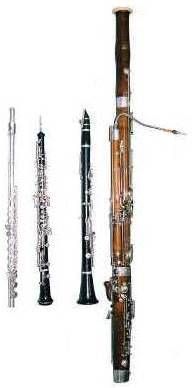
Although "So nun der Geist" ("Therefore now since the Spirit of Him who raised Jesus from the dead dwells in you") was originally written for Chorus (SATB), I created this arrangement for Oboe and Strings (2 Violins, Viola & Cello).



 STUDIO
 SONO
SONO ACCESSOIRES
 CABLES
 EFFET
EFFET FLIGHTCASE & ETUIS
 LOGICIELS
 VIDEO
VIDEO LUMIERE
 DEEJAY
 MICROPHONE
 GUITARE
 CLAVIER
 PERCUSSION
 CUIVRE / VENT
 CORDES/TRAD.
 NOËL
NOËL